Author:AronDate:2026-7-23
How to Maintain EV Battery, Motor & ECU in Hot and Humid Summer Weather
Proper seasonal maintenance can effectively reduce failure rates, prolong the service cycle of key components and maintain consistent driving performance. Below we share targeted maintenance advice for the battery, motor and ECU for summer humid conditions.
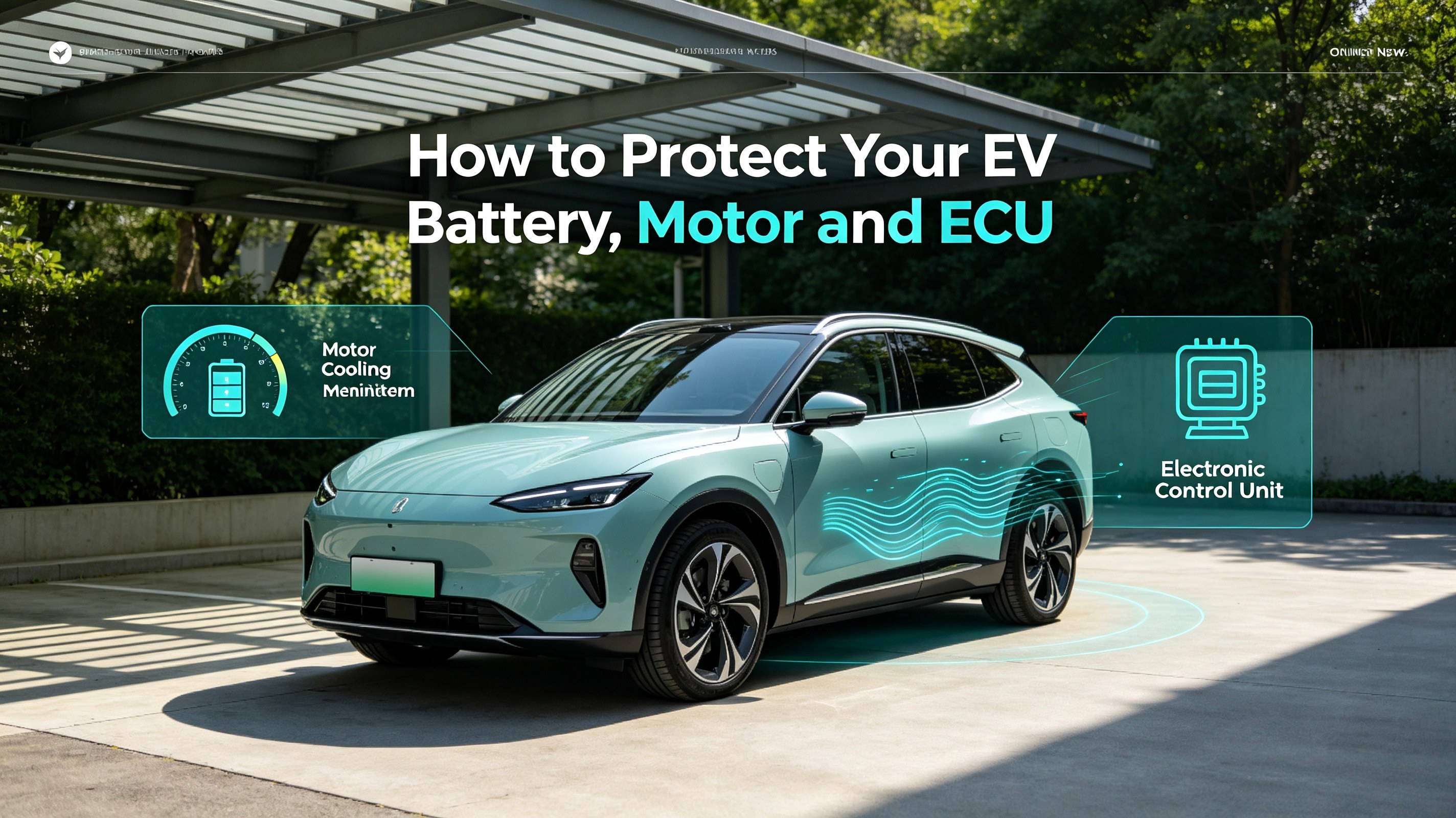
1. Maintenance Tips for Power Battery Pack
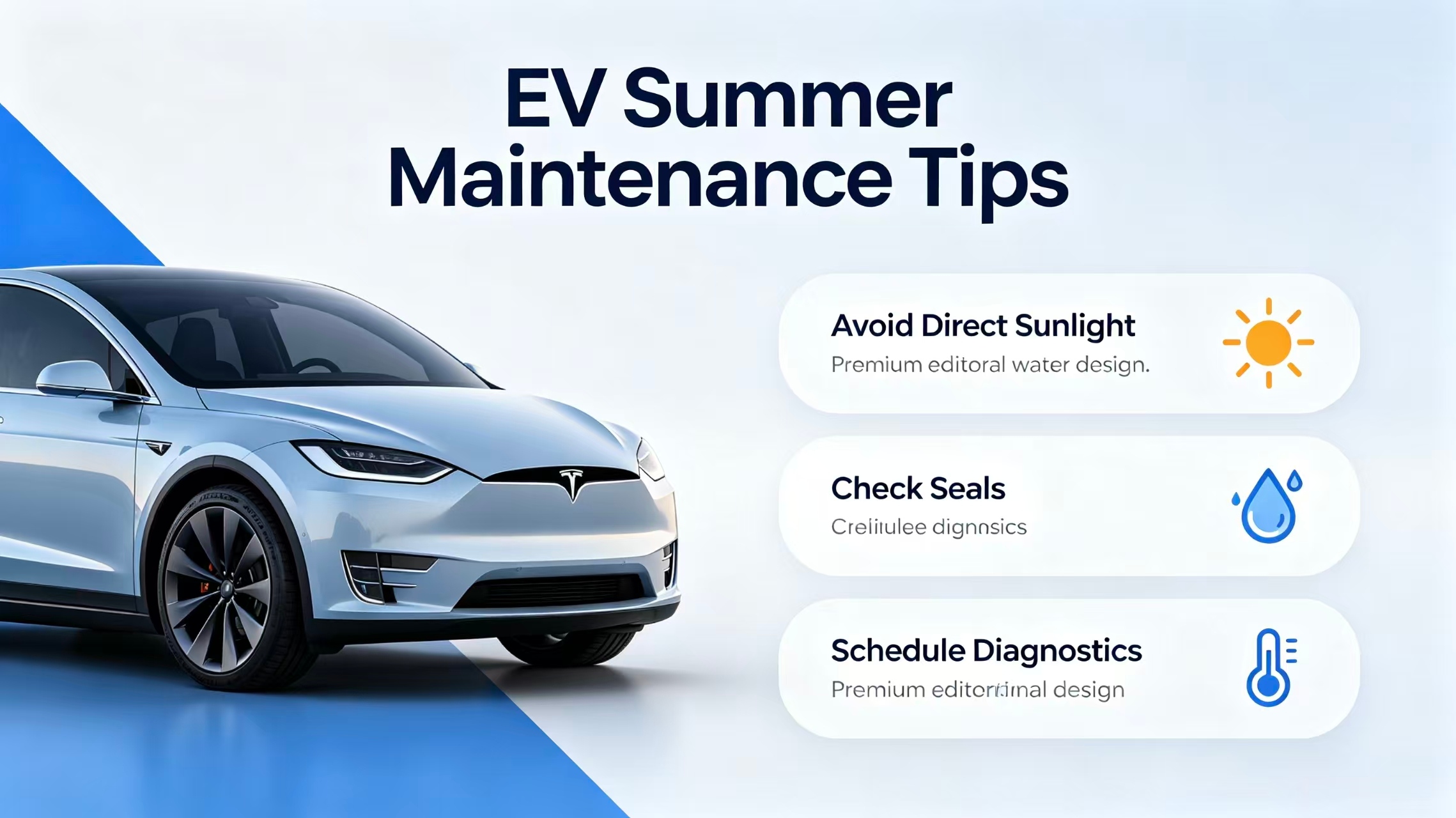
(1)Park vehicles in shaded, ventilated areas. Avoid long-term exposure under direct sunlight, which will push battery temperature to a dangerous level.
(2)Follow the “shallow charge & shallow discharge” rule. Keep daily state of charge between 20% – 80%. Avoid long-time storage at 100% full charge or below 10% empty charge under high temperature.
(3)Do not start fast charging immediately after long-distance driving. Let the battery cool down for 20–30 minutes to avoid superimposed thermal stress. Charge during cooler morning or evening hours if possible.
(4)Check battery package sealing regularly. After heavy rain or wading, inspect the bottom battery housing to prevent accumulated moisture.
(5)For long-term parking, set battery capacity around 50% and activate the vehicle regularly to prevent excessive self-discharge in hot weather.
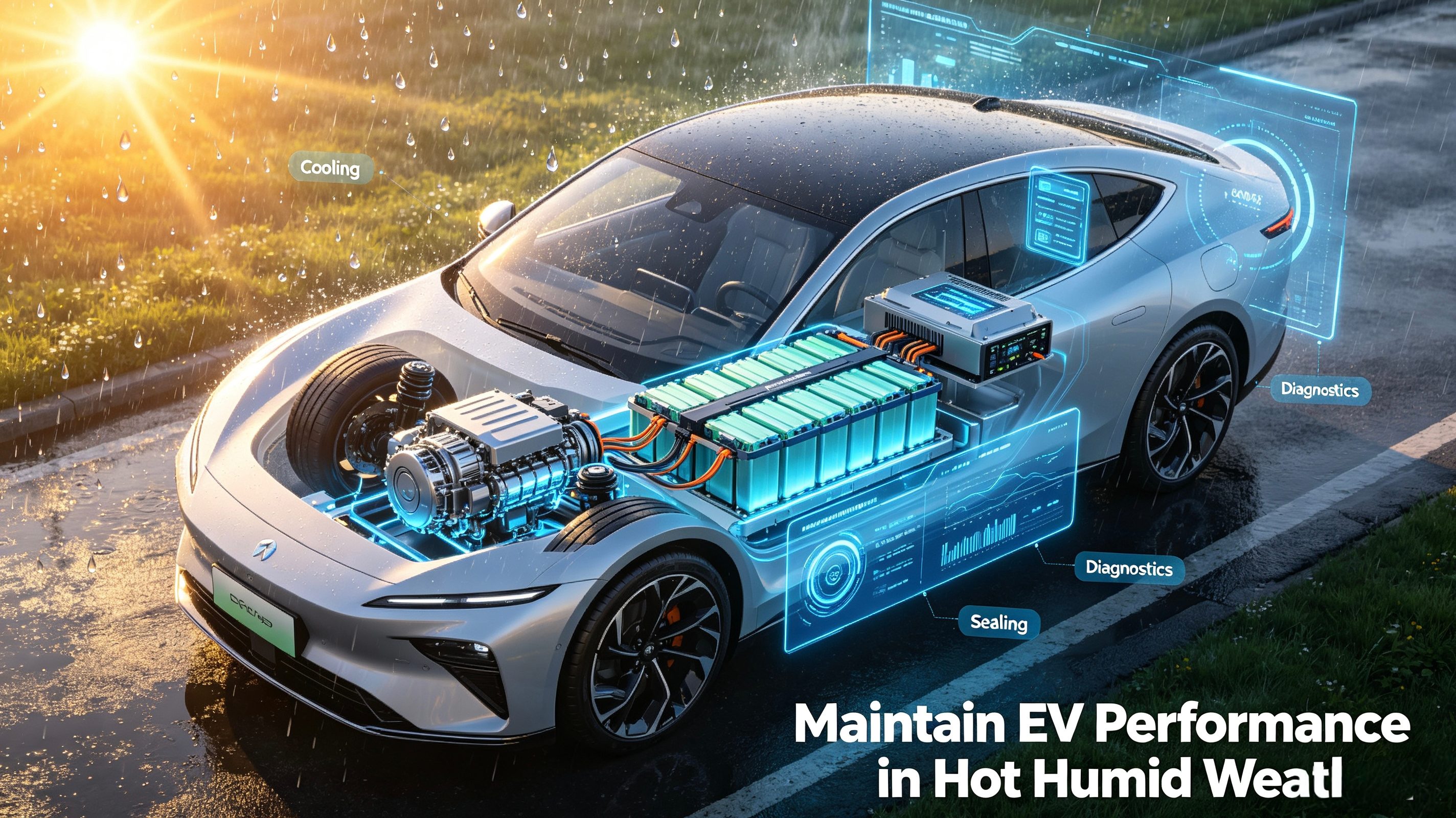
2. Maintenance Tips for Drive Motor
The permanent magnet synchronous drive motor generates heat continuously during operation. Combined with humid air, the insulation layer and wire terminals face higher risks of aging and oxidation.
(1) Keep motor cooling channels clean. Remove mud, dust and debris regularly to guarantee heat dissipation efficiency.
(2)Avoid frequent aggressive acceleration and continuous high-load driving in scorching weather, which will cause excessive temperature rise inside the motor.
(3) Do not drive through deep puddles. Humidity may erode motor wiring connectors and damage internal insulation. After driving in rain, check motor terminals for signs of oxidation.
(4)Follow recommended service intervals to inspect transmission lubricant and cooling fluid for the motor system.
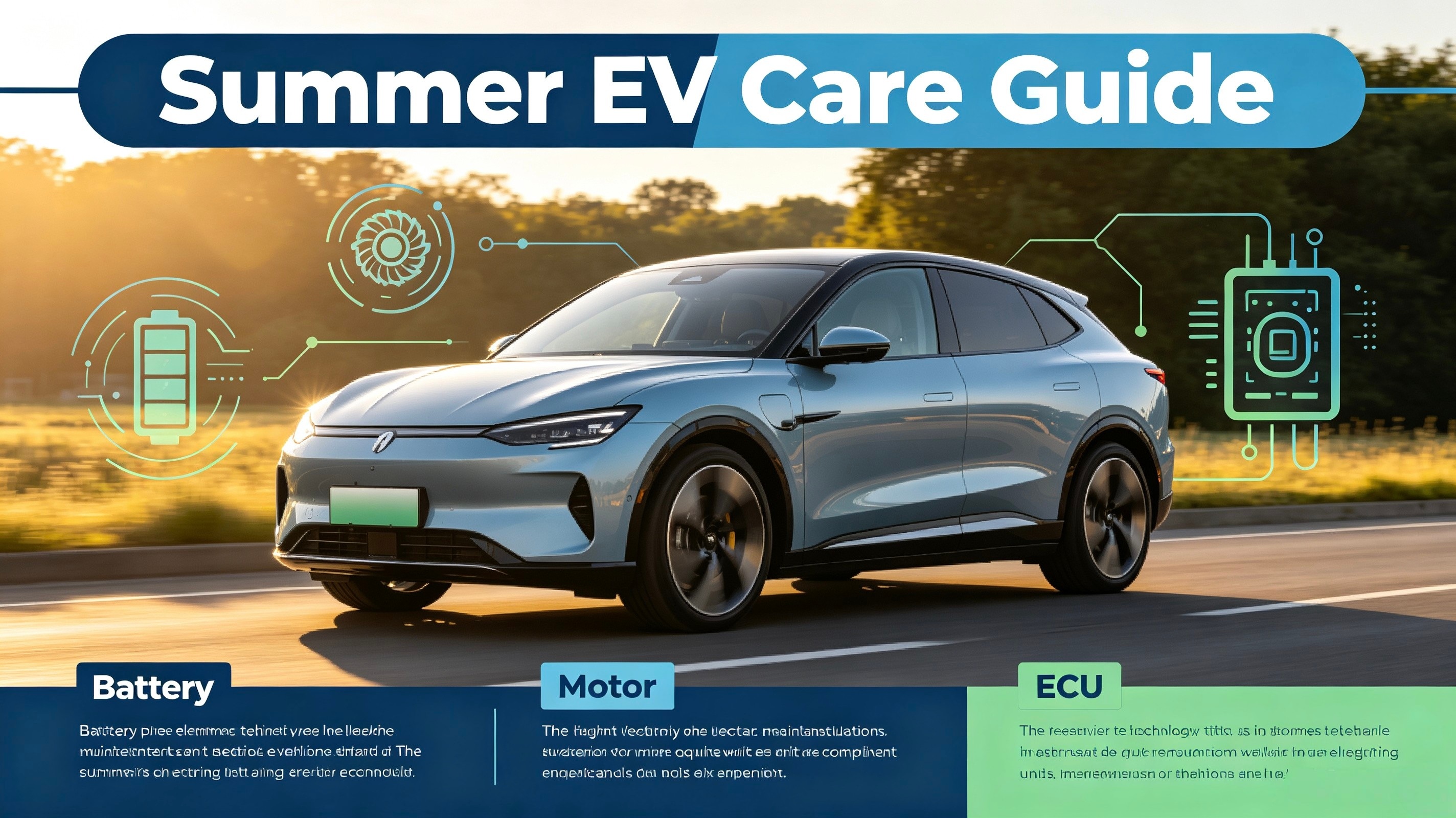
3. Maintenance Tips for Electronic Control Unit (ECU / Controller)
The ECU acts as the “brain” of the electric vehicle, responsible for energy scheduling between battery and motor. High temperature and humidity are major triggers of electronic failure.
(1)Never wash the vehicle with high-pressure water directly aiming at ECU housing, high-voltage wiring plugs and sensor interfaces. Penetrating water will lead to circuit corrosion.
(2) Regularly check high-voltage connector sealing rubber rings. Replace aging seals timely to block humid air.(3) Update vehicle control software officially when available. Optimized OTA programs improve thermal management logic for hot weather.
(4) Pay attention to dashboard warning prompts. If temperature fault codes pop up, arrange professional inspection immediately instead of continuing driving.
4. General Summer Inspection Checklist for Three-Power System
(1)Inspect the whole vehicle thermal management cooling system; confirm coolant level with no leakage.
(2)Check all high-voltage wire harnesses for aging, abrasion and connector oxidation.
(3)Test battery insulation performance after continuous rainy seasons.
(4)Clear dust blocking cooling radiators and ventilation openings.
(5)Arrange professional three-power system diagnostic inspection every 6–12 months for vehicles operating all year round in tropical humid areas.
Final Remarks
↓Next [ Study the Spirit of the Party Constitution, Stay True to the Original Aspiration and Forge Ahead — Warm Celebration of the 105th Anniversary of the Founding of the Communist Party of China ]